
Understanding the Different Types of Dental Cleanings
September 23, 2026
🦷 Why Dental Cleanings Are Not One-Size-Fits-All
When most people think of a dental cleaning, they imagine a routine visit every six months. While that’s true for many patients, there are actually several types of dental cleanings — each designed to address specific oral health conditions.
At our Minnetonka, MN dental practice, we tailor your dental cleaning based on your gum health, bone support, and history of periodontal disease. Understanding the differences can help you feel confident in your care.
🪥 Prophylaxis: Routine Preventive Dental Cleaning
Best for: Patients with healthy gums
Underlying cause addressed: Plaque and surface-level tartar buildup
A prophylaxis is the most common type of preventive dentistry. It’s recommended for patients who do not have active gum disease. This preventive visit removes plaque, tartar, and stains from above the gumline and helps stop cavities and gingivitis before they start.
Most patients in Minnetonka and nearby communities like Wayzata and Hopkins benefit from prophylaxis cleanings every six months.
🌿 Gingivitis Therapy: Treating Early Gum Disease
Best for: Patients with inflamed or bleeding gums
Underlying cause addressed: Gingivitis (early-stage gum disease)
Gingivitis therapy is recommended when gums show signs of redness, swelling, or bleeding but there is no bone loss. This dental cleaning focuses on removing plaque and tartar from just below the gumline to reverse inflammation.
With consistent professional care and good home hygiene, gingivitis is often reversible — making early diagnosis key.
🦷 Scaling and Root Planning: A Deep Cleaning for Gum Disease
Best for: Patients with periodontal disease
Underlying cause addressed: Bacteria below the gumline causing bone loss
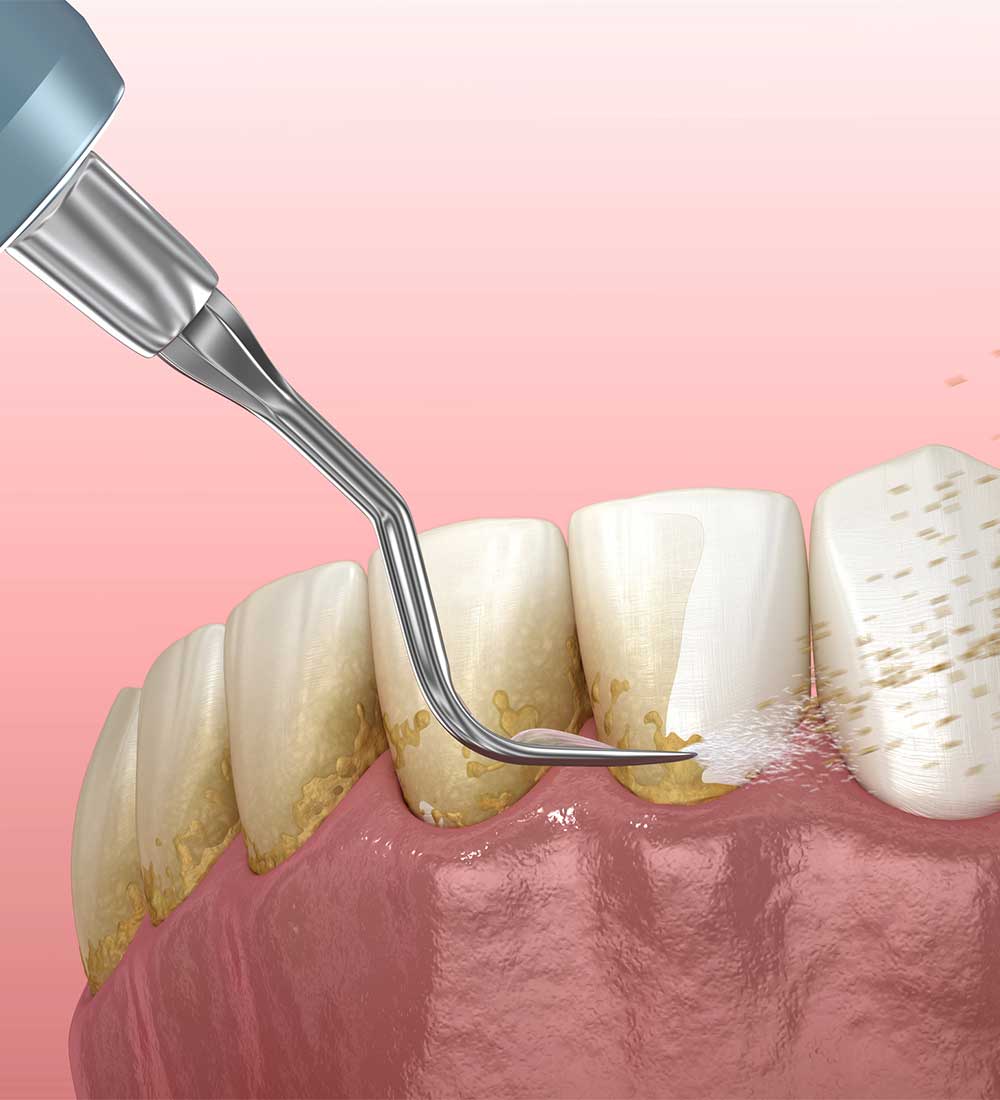
Also known as a deep cleaning, scaling and root planning is performed when gum disease has progressed beyond gingivitis. This treatment involves:
- Scaling: Removing hardened tartar from above and below the gumline
- Root planing: Smoothing root surfaces so gums can reattach
Scaling and root planning may be completed over multiple visits and sometimes requires local anesthesia. This type of dental cleaning is critical for stopping the progression of periodontal disease.
🔁 Periodontal Maintenance: Ongoing Gum Health Care
Best for: Patients with a history of periodontal disease
Underlying cause addressed: Preventing reinfection and disease recurrence
After scaling and root planning, patients typically transition to periodontal maintenance. This specialized dental cleaning is performed every 3–4 months and focuses on keeping gum disease under control by removing bacteria from deeper periodontal pockets.
Periodontal maintenance is not the same as a prophylaxis — it’s essential ongoing care for long-term oral health.
📍 How Your Dentist Determines the Right Dental Cleaning
Your dentist and hygienist will evaluate:
- Gum pocket depth
- Bleeding and inflammation
- Bone levels on X-rays
- History of gum disease
Based on these findings, your Minnetonka dental team will recommend the most appropriate dental cleaning to protect your smile.
🏙 Dental Cleanings in Minnetonka, MN and Surrounding Areas
Whether you need a routine prophylaxis or advanced periodontal maintenance, choosing the right dental cleaning helps prevent tooth loss and supports overall health. Patients in Minnetonka, MN , as well as nearby areas like Plymouth, Hopkins, and Eden Prairie, can benefit from individualized dental care tailored to their needs.
If it’s been a while since your last visit or you’re experiencing bleeding gums, scheduling an evaluation is the first step toward healthier gums and teeth.
🦷 Why Dental Cleanings Are Not One-Size-Fits-All
When most people think of a dental cleaning, they imagine a routine visit every six months. While that’s true for many patients, there are actually several types of dental cleanings — each designed to address specific oral health conditions.
At our Minnetonka, MN dental practice, we tailor your dental cleaning based on your gum health, bone support, and history of periodontal disease. Understanding the differences can help you feel confident in your care.
🪥 Prophylaxis: Routine Preventive Dental Cleaning
Best for: Patients with healthy gums
Underlying cause addressed: Plaque and surface-level tartar buildup
A prophylaxis is the most common type of preventive dentistry. It’s recommended for patients who do not have active gum disease. This preventive visit removes plaque, tartar, and stains from above the gumline and helps stop cavities and gingivitis before they start.
Most patients in Minnetonka and nearby communities like Wayzata and Hopkins benefit from prophylaxis cleanings every six months.
🌿 Gingivitis Therapy: Treating Early Gum Disease
Best for: Patients with inflamed or bleeding gums
Underlying cause addressed: Gingivitis (early-stage gum disease)
Gingivitis therapy is recommended when gums show signs of redness, swelling, or bleeding but there is no bone loss. This dental cleaning focuses on removing plaque and tartar from just below the gumline to reverse inflammation.
With consistent professional care and good home hygiene, gingivitis is often reversible — making early diagnosis key.
🦷 Scaling and Root Planning: A Deep Cleaning for Gum Disease
Best for: Patients with periodontal disease
Underlying cause addressed: Bacteria below the gumline causing bone loss
Also known as a deep cleaning, scaling and root planning is performed when gum disease has progressed beyond gingivitis. This treatment involves:
- Scaling: Removing hardened tartar from above and below the gumline
- Root planing: Smoothing root surfaces so gums can reattach
Scaling and root planning may be completed over multiple visits and sometimes requires local anesthesia. This type of dental cleaning is critical for stopping the progression of periodontal disease.
🔁 Periodontal Maintenance: Ongoing Gum Health Care
Best for: Patients with a history of periodontal disease
Underlying cause addressed: Preventing reinfection and disease recurrence
After scaling and root planning, patients typically transition to periodontal maintenance. This specialized dental cleaning is performed every 3–4 months and focuses on keeping gum disease under control by removing bacteria from deeper periodontal pockets.
Periodontal maintenance is not the same as a prophylaxis — it’s essential ongoing care for long-term oral health.
📍 How Your Dentist Determines the Right Dental Cleaning
Your dentist and hygienist will evaluate:
- Gum pocket depth
- Bleeding and inflammation
- Bone levels on X-rays
- History of gum disease
Based on these findings, your Minnetonka dental team will recommend the most appropriate dental cleaning to protect your smile.
🏙 Dental Cleanings in Minnetonka, MN and Surrounding Areas
Whether you need a routine prophylaxis or advanced periodontal maintenance, choosing the right dental cleaning helps prevent tooth loss and supports overall health. Patients in Minnetonka, MN , as well as nearby areas like Plymouth, Hopkins, and Eden Prairie, can benefit from individualized dental care tailored to their needs.
If it’s been a while since your last visit or you’re experiencing bleeding gums, scheduling an evaluation is the first step toward healthier gums and teeth.






















Give us a Call Today!
Elevate your smile and well-being with Modern Dentistry of Minnetonka—where innovation meets compassion; schedule your appointment today for a dental experience tailored to you.