
Understanding Dry Mouth: Causes, Symptoms & Solutions
March 5, 2026
📌 What Is Dry Mouth?
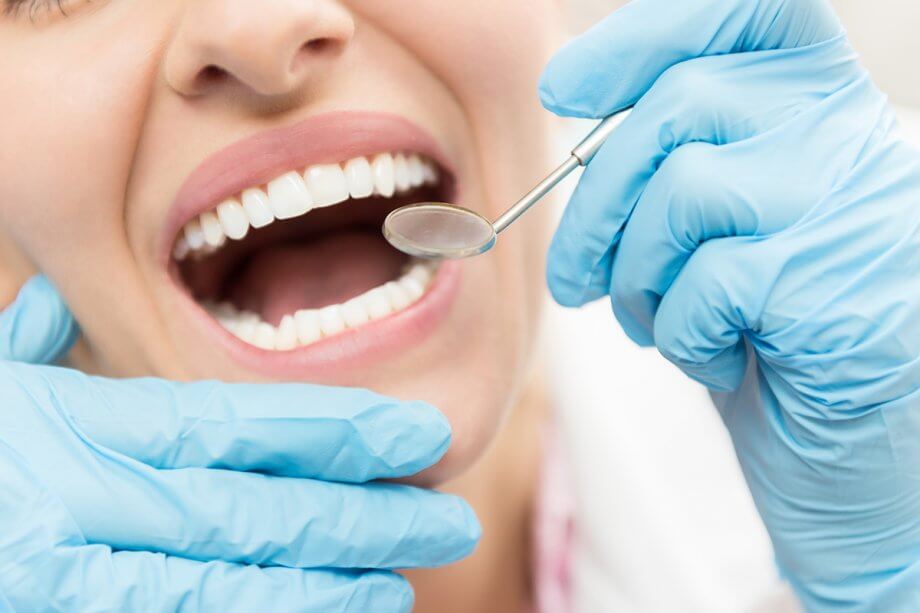
Dry mouth, medically known as xerostomia, happens when your salivary glands don’t produce enough saliva — resulting in reduced saliva and chronic oral dryness. Saliva plays a vital role in oral health by neutralizing acids, protecting enamel, and washing away food particles. Without adequate saliva, your mouth becomes vulnerable to problems like rapid cavities and gum issues.
🚨 Common Causes of Dry Mouth
Several factors can lead to dry mouth, including:
- Medications: Hundreds of prescription and over-the-counter drugs — from antihistamines to blood pressure meds — can reduce saliva production.
- Chronic Conditions: Autoimmune disorders (e.g., Sjögren’s), diabetes, hypertension, and other systemic conditions.
- Cancer Treatments: Radiation and chemotherapy targeting the head/neck regions can damage salivary glands.
- Dehydration & Lifestyle Habits: Not drinking enough water, tobacco use, alcohol, and excessive caffeine consumption.
- Mouth Breathing: Especially during sleep, mouth breathing causes saliva evaporation.
👀 Recognizing the Signs & Symptoms of Dry Mouth
People with chronic dry mouth may notice:
- Persistent dry, sticky or reduced saliva sensation
- Difficulty speaking, chewing, swallowing, or tasting
- Burning or rough feeling on the tongue or inside the mouth
- Cracked lips or sores in the mouth
- Persistent bad breath
- Increased risk of rapid cavities
If you’re experiencing these signs — especially consistently — it’s wise to consult a dental professional in Minnetonka or nearby cities like Wayzata, Hopkins, Eden Prairie, and Plymouth.
⚠️ Why Dry Mouth Matters: Serious Oral Health Effects
Saliva is essential for more than comfort. When your mouth stays dry:
- Tooth decay accelerates: Without saliva to buffer acids and flush bacteria, enamel weakens and cavities progress faster.
- Gum disease risk increases as plaque builds up more easily.
- Dentures and oral appliances may become uncomfortable or abrasive without lubrication.
- Mouth sores, infections, and bad breath become more common.
These risks make it especially important for adults — particularly older adults on multiple medications — to address dry mouth proactively.
🍏 Ways to Treat & Combat Dry Mouth
Here are proven ways to reduce symptoms and protect your oral health:
🥤 Everyday Habits
- Sip water frequently throughout the day.
- Chew sugar-free gum or suck sugar-free lozenges (especially those with xylitol to promote saliva and help prevent decay).
- Avoid alcohol, tobacco, coffee, and other dehydrating habits.
- Add a humidifier to your bedroom to keep air moisture higher.
🦷 At-Home Dental Care
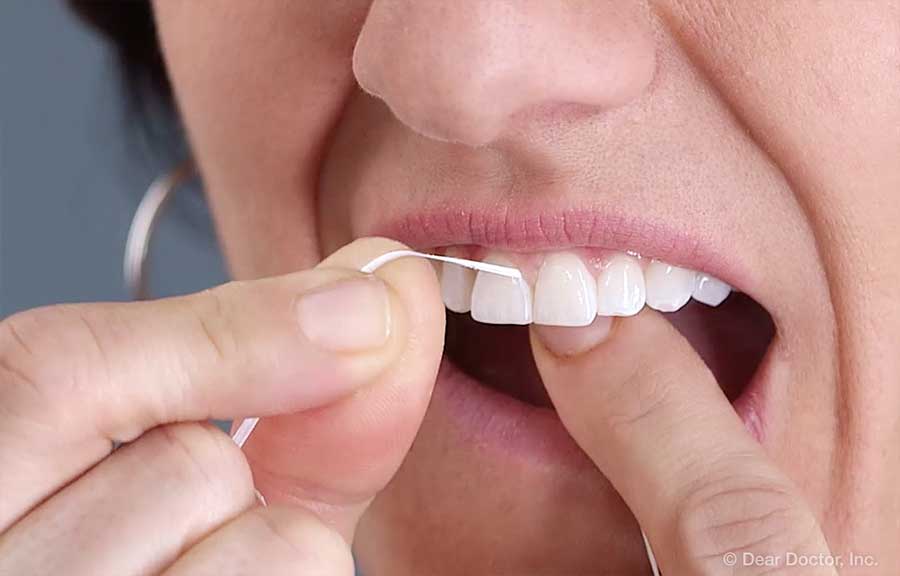
- Brush twice daily with fluoridated toothpaste and floss daily.
- Use alcohol-free, dry-mouth friendly mouth rinses.
- Ask your dentist about prescription fluoride or mouth trays for added protection against cavities.
🩺 Professional Options
- Your Minnetonka dentist may recommend saliva substitutes, prescription medications that stimulate saliva, or adjustments to medications causing dryness.
- Regular check-ups and cleanings help catch early signs of tooth decay and gum disease associated with dry mouth.
🏙️ Local Guidance for Dry Mouth in Minnetonka, MN
People should not ignore persistent dry mouth. Whether you live near Excelsior Boulevard or closer to Wayzata Boulevard, our dental team is here to help you understand the root causes and build a personalized treatment plan that fits your lifestyle. Book a consultation today!
📌 What Is Dry Mouth?
Dry mouth, medically known as xerostomia, happens when your salivary glands don’t produce enough saliva — resulting in reduced saliva and chronic oral dryness. Saliva plays a vital role in oral health by neutralizing acids, protecting enamel, and washing away food particles. Without adequate saliva, your mouth becomes vulnerable to problems like rapid cavities and gum issues.
🚨 Common Causes of Dry Mouth
Several factors can lead to dry mouth, including:
- Medications: Hundreds of prescription and over-the-counter drugs — from antihistamines to blood pressure meds — can reduce saliva production.
- Chronic Conditions: Autoimmune disorders (e.g., Sjögren’s), diabetes, hypertension, and other systemic conditions.
- Cancer Treatments: Radiation and chemotherapy targeting the head/neck regions can damage salivary glands.
- Dehydration & Lifestyle Habits: Not drinking enough water, tobacco use, alcohol, and excessive caffeine consumption.
- Mouth Breathing: Especially during sleep, mouth breathing causes saliva evaporation.
👀 Recognizing the Signs & Symptoms of Dry Mouth
People with chronic dry mouth may notice:
- Persistent dry, sticky or reduced saliva sensation
- Difficulty speaking, chewing, swallowing, or tasting
- Burning or rough feeling on the tongue or inside the mouth
- Cracked lips or sores in the mouth
- Persistent bad breath
- Increased risk of rapid cavities
If you’re experiencing these signs — especially consistently — it’s wise to consult a dental professional in Minnetonka or nearby cities like Wayzata, Hopkins, Eden Prairie, and Plymouth.
⚠️ Why Dry Mouth Matters: Serious Oral Health Effects
Saliva is essential for more than comfort. When your mouth stays dry:
- Tooth decay accelerates: Without saliva to buffer acids and flush bacteria, enamel weakens and cavities progress faster.
- Gum disease risk increases as plaque builds up more easily.
- Dentures and oral appliances may become uncomfortable or abrasive without lubrication.
- Mouth sores, infections, and bad breath become more common.
These risks make it especially important for adults — particularly older adults on multiple medications — to address dry mouth proactively.
🍏 Ways to Treat & Combat Dry Mouth
Here are proven ways to reduce symptoms and protect your oral health:
🥤 Everyday Habits
- Sip water frequently throughout the day.
- Chew sugar-free gum or suck sugar-free lozenges (especially those with xylitol to promote saliva and help prevent decay).
- Avoid alcohol, tobacco, coffee, and other dehydrating habits.
- Add a humidifier to your bedroom to keep air moisture higher.
🦷 At-Home Dental Care
- Brush twice daily with fluoridated toothpaste and floss daily.
- Use alcohol-free, dry-mouth friendly mouth rinses.
- Ask your dentist about prescription fluoride or mouth trays for added protection against cavities.
🩺 Professional Options
- Your Minnetonka dentist may recommend saliva substitutes, prescription medications that stimulate saliva, or adjustments to medications causing dryness.
- Regular check-ups and cleanings help catch early signs of tooth decay and gum disease associated with dry mouth.
🏙️ Local Guidance for Dry Mouth in Minnetonka, MN
People should not ignore persistent dry mouth. Whether you live near Excelsior Boulevard or closer to Wayzata Boulevard, our dental team is here to help you understand the root causes and build a personalized treatment plan that fits your lifestyle. Book a consultation today!













Give us a Call Today!
Elevate your smile and well-being with Modern Dentistry of Minnetonka—where innovation meets compassion; schedule your appointment today for a dental experience tailored to you.