
Signs and Symptoms of Dental Cavities: What Minnetonka Patients Need to Know
March 25, 2026
Signs and Symptoms of Dental Cavities: What Minnetonka Patients Need to Know
Dental cavities are one of the most common oral health problems we see in Minnetonka—and they don’t always announce themselves right away. Understanding the early and late warning signs can help you seek treatment before a small issue turns into a serious dental emergency.
What Is a Cavity?
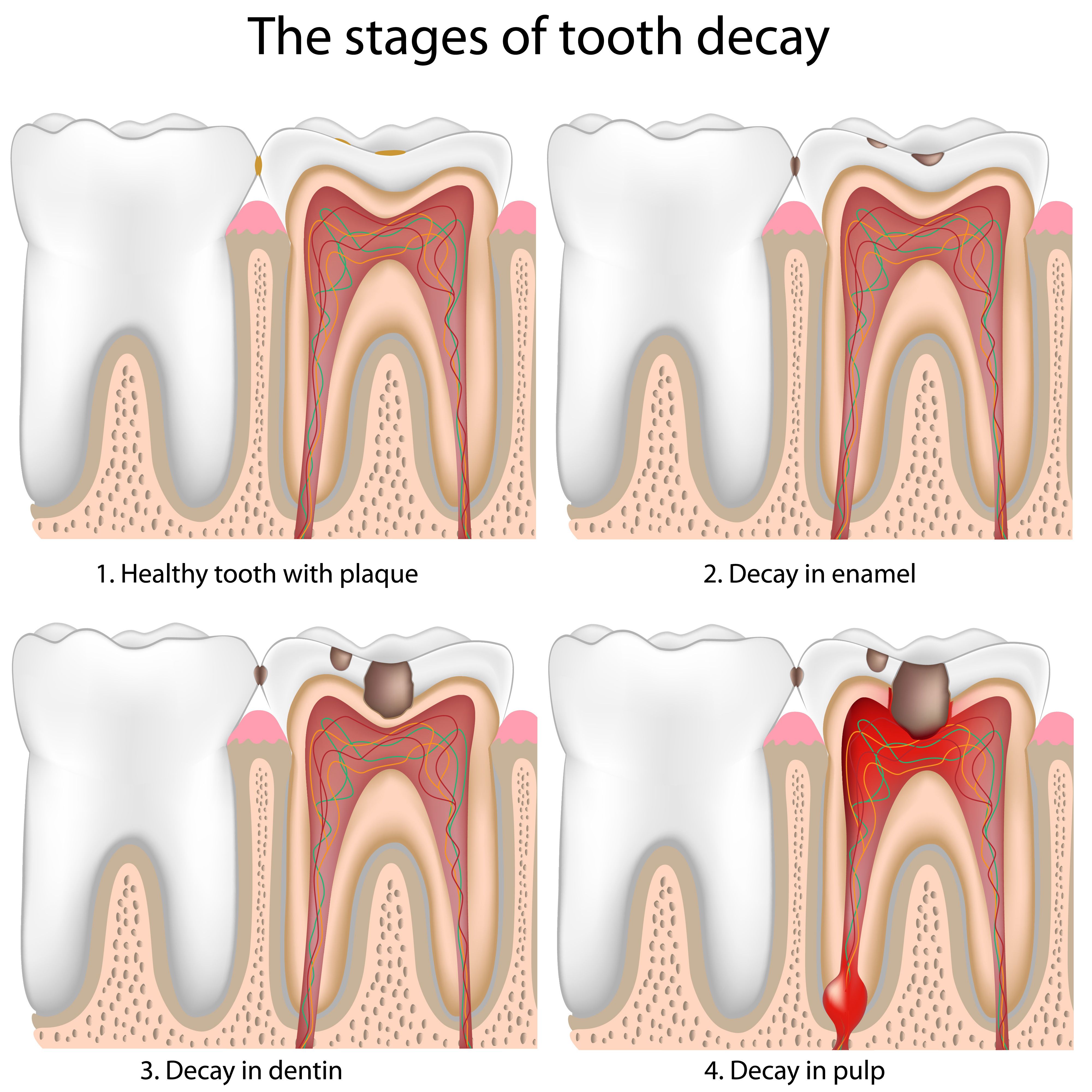
A cavity forms when plaque bacteria produce acids that weaken and break down tooth enamel. Over time, this damage can progress deeper into the tooth, affecting the dentin and even the nerve. Patients in Minnetonka and nearby communities like Hopkins, Wayzata, and St. Louis Park often ask why decay can exist without pain at first—the answer lies in how teeth are structured.
Early Signs and Symptoms of a Cavity
In the early stages, decay is limited to the enamel, which has no nerve endings. This means symptoms can be subtle or easy to ignore.
Common early warning signs include:
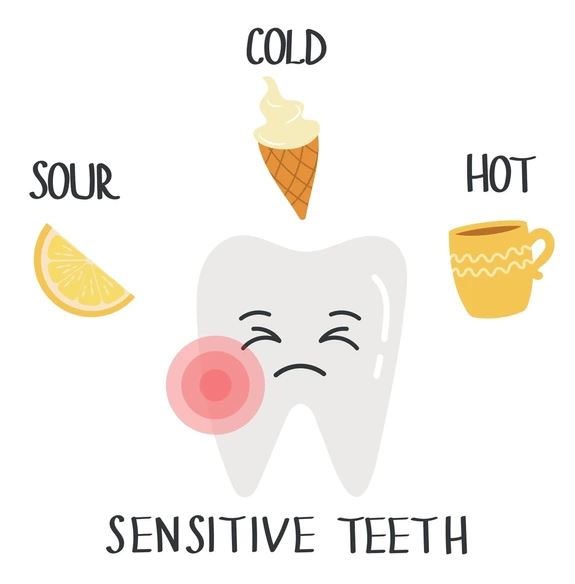
- Mild sensitivity to hot, cold, or sweet foods
- A rough or sticky feeling on the tooth surface
- White, chalky spots or faint discoloration on the tooth
- Occasional, mild tooth pain that comes and goes
Because these symptoms are often minimal, regular dental exams are essential for catching decay early—before discomfort begins.
Late-Stage Cavity Symptoms
As decay progresses deeper into the tooth, symptoms become more noticeable and more urgent. At this stage, treatment is typically more complex.
Late symptoms may include:
- Persistent or sharp tooth pain
- Sensitivity that lingers after hot or cold exposure
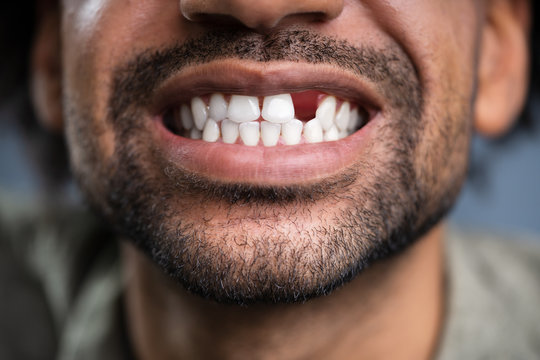
- Visible holes or dark spots on the tooth
- Pain when biting or chewing
- Swelling or tenderness in the gums
If left untreated, a cavity can lead to infection or abscess, which may require root canal therapy or even tooth extraction.
Why Teeth Sometimes Don’t Hurt Until the Problem Is Severe
Many patients are surprised to learn they can have significant decay without pain. This happens because enamel doesn’t transmit pain signals. Discomfort usually begins only when decay reaches the dentin or pulp, where nerves are located. By the time severe tooth pain appears, the problem is often advanced and may qualify as a dental emergency.
When to See a Dentist in Minnetonka
If you’re experiencing sensitivity, ongoing discomfort, or any unexplained tooth pain, it’s important to schedule an evaluation promptly. Early treatment can often stop decay in its tracks and help you avoid more invasive procedures.
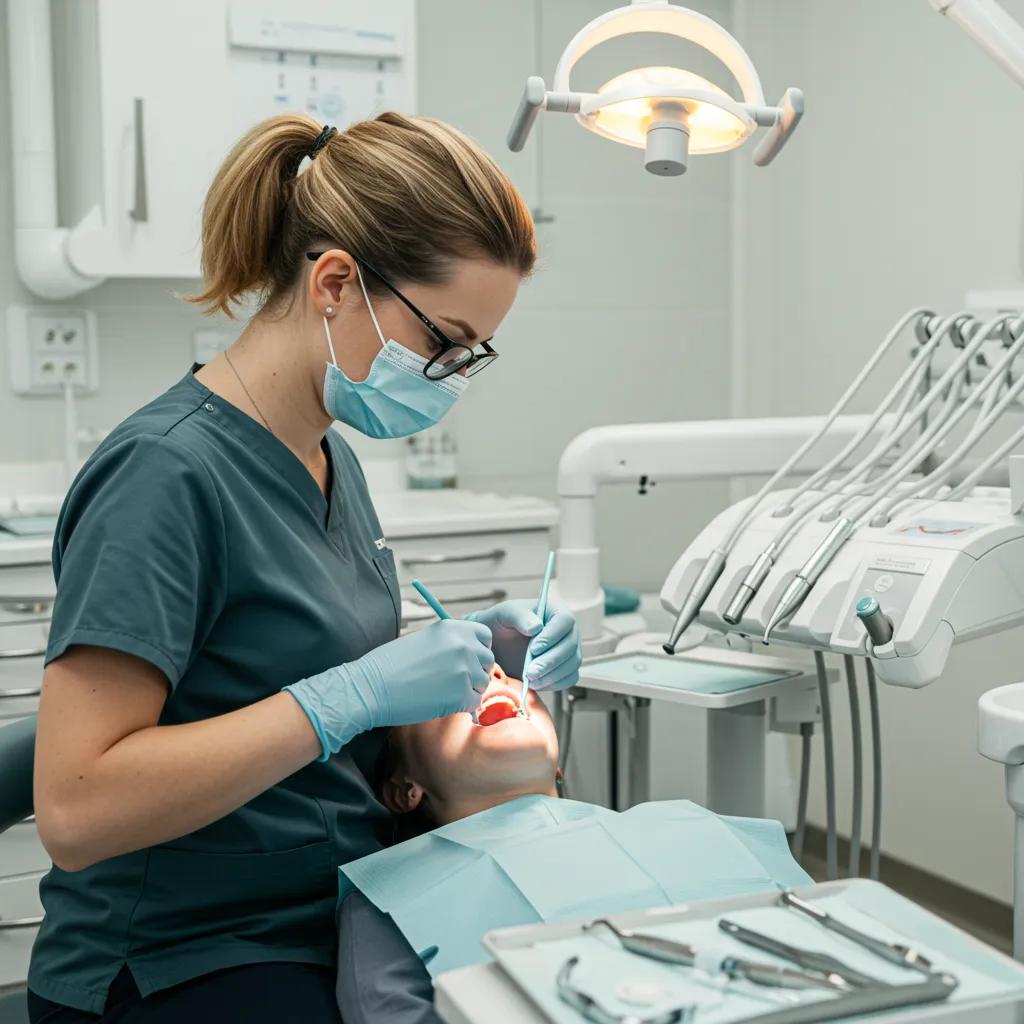
Residents of Minnetonka, MN and surrounding areas benefit most from routine checkups, professional cleanings, and personalized preventive care at Modern Dentistry of Minnetonka. Book your next appointment today!
Signs and Symptoms of Dental Cavities: What Minnetonka Patients Need to Know
Dental cavities are one of the most common oral health problems we see in Minnetonka—and they don’t always announce themselves right away. Understanding the early and late warning signs can help you seek treatment before a small issue turns into a serious dental emergency.
What Is a Cavity?
A cavity forms when plaque bacteria produce acids that weaken and break down tooth enamel. Over time, this damage can progress deeper into the tooth, affecting the dentin and even the nerve. Patients in Minnetonka and nearby communities like Hopkins, Wayzata, and St. Louis Park often ask why decay can exist without pain at first—the answer lies in how teeth are structured.
Early Signs and Symptoms of a Cavity
In the early stages, decay is limited to the enamel, which has no nerve endings. This means symptoms can be subtle or easy to ignore.
Common early warning signs include:
- Mild sensitivity to hot, cold, or sweet foods
- A rough or sticky feeling on the tooth surface
- White, chalky spots or faint discoloration on the tooth
- Occasional, mild tooth pain that comes and goes
Because these symptoms are often minimal, regular dental exams are essential for catching decay early—before discomfort begins.
Late-Stage Cavity Symptoms
As decay progresses deeper into the tooth, symptoms become more noticeable and more urgent. At this stage, treatment is typically more complex.
Late symptoms may include:
- Persistent or sharp tooth pain
- Sensitivity that lingers after hot or cold exposure
- Visible holes or dark spots on the tooth
- Pain when biting or chewing
- Swelling or tenderness in the gums
If left untreated, a cavity can lead to infection or abscess, which may require root canal therapy or even tooth extraction.
Why Teeth Sometimes Don’t Hurt Until the Problem Is Severe
Many patients are surprised to learn they can have significant decay without pain. This happens because enamel doesn’t transmit pain signals. Discomfort usually begins only when decay reaches the dentin or pulp, where nerves are located. By the time severe tooth pain appears, the problem is often advanced and may qualify as a dental emergency.
When to See a Dentist in Minnetonka
If you’re experiencing sensitivity, ongoing discomfort, or any unexplained tooth pain, it’s important to schedule an evaluation promptly. Early treatment can often stop decay in its tracks and help you avoid more invasive procedures.
Residents of Minnetonka, MN and surrounding areas benefit most from routine checkups, professional cleanings, and personalized preventive care at Modern Dentistry of Minnetonka. Book your next appointment today!




















Give us a Call Today!
Elevate your smile and well-being with Modern Dentistry of Minnetonka—where innovation meets compassion; schedule your appointment today for a dental experience tailored to you.