
My Teeth Don’t Hurt — Why Do I Need Treatment?
August 3, 2026

My Teeth Don’t Hurt — Why Do I Need Treatment?
It’s one of the most common questions we hear from patients in Minnetonka, MN:
“If I don’t have tooth pain, why do I need treatment?”
The short answer: many dental problems don’t cause pain until they’ve become more serious—and more expensive—to fix. Understanding how issues like cavities and gum disease develop can help you protect your smile and avoid unexpected dental pain later on.
Why You May Not Feel Tooth Pain Right Away
It’s easy to assume that if something is wrong, it will hurt. But in dentistry, that’s not always the case.
Tooth pain is often a late symptom, not an early warning sign. Many dental conditions develop quietly beneath the surface. By the time discomfort sets in, the issue may already require more involved treatment.
Cavities Don’t Always Hurt at First
Cavities (tooth decay) are one of the biggest reasons patients need treatment—even when they feel fine.
- The outer layer of your tooth, called enamel, does not contain nerves
- Early decay can progress silently for weeks or months
- Pain only begins once decay reaches deeper layers, like dentin or the nerve inside the tooth [scienceinsights.org], [medicalnewstoday.com]
This means you can have cavities without any noticeable symptoms. By the time you feel tooth pain, the cavity may require a larger filling—or even a root canal.
What to watch for:
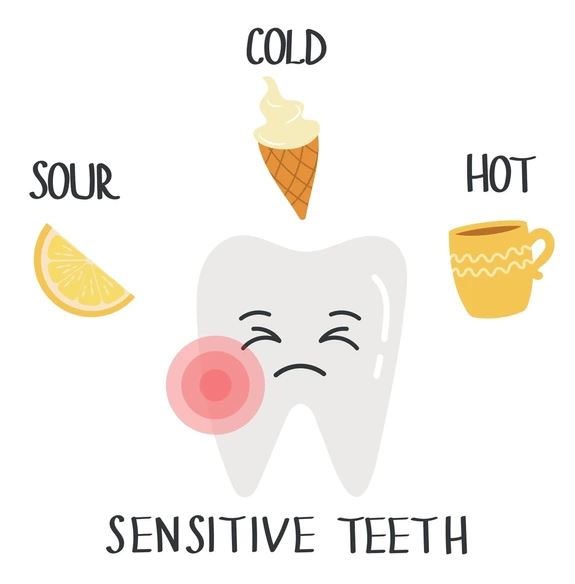
- Sensitivity to hot, cold, or sweets
- Mild discomfort when chewing
- Dark spots or discoloration
Even these signs can be subtle, which is why routine exams in Minnetonka are so important.
Gum Disease: The “Silent” Oral Health Problem
Gum disease is another major condition that often develops without dental pain Minnetonka patients notice right away.
In early stages (gingivitis):
- Gums may be slightly swollen or red
- You might notice bleeding when brushing or flossing
- There is often little to no pain [scienceinsights.org]
Gum disease is frequently called a“silent disease” because it can progress for a long time without discomfort. [dentalsolu...clinic.com]
As it advances (periodontitis):
- Infection spreads below the gumline
- Bone supporting your teeth can be damaged
- Teeth may loosen or shift
At this point, treatment becomes more complex—and in severe cases, tooth loss can occur. [mayoclinic.org]
Why Waiting for Tooth Pain Can Be Risky
If you’re waiting for tooth pain before seeing a dentist, you may be missing a critical window for early, simple treatment.
Here’s why:
- Early cavities = small fillings
- Advanced decay = crowns or root canals
- Early gum disease = reversible
- Advanced gum disease = permanent damage
Pain is your body’s way of signaling that something has progressed. Unfortunately, by then, the solution is often more involved.
The Value of Preventive Care in Minnetonka, MN 55305
Regular dental visits aren’t just about cleaning your teeth—they’re about catching problems early.
During your exam, your dentist can:
- Detect cavities before they cause tooth pain
- Identify early-stage gum disease
- Use X-rays to find hidden issues
- Create a treatment plan that prevents future complications
For patients in Minnetonka, MN and nearby communities like Hopkins, Wayzata, and Plymouth, staying proactive is the best way to avoid unnecessary discomfort and costly procedures.
Don’t Wait for Tooth Pain to Take Action
If your teeth feel fine, that’s great—but it doesn’t always mean everything is healthy beneath the surface.
The best way to avoid tooth pain, cavities, and gum disease is to stay ahead of problems with regular checkups and early treatment.
If it’s been a while since your last visit, scheduling an exam can give you peace of mind—and help you maintain a healthy smile for years to come.
My Teeth Don’t Hurt — Why Do I Need Treatment?
It’s one of the most common questions we hear from patients in Minnetonka, MN:
“If I don’t have tooth pain, why do I need treatment?”
The short answer: many dental problems don’t cause pain until they’ve become more serious—and more expensive—to fix. Understanding how issues like cavities and gum disease develop can help you protect your smile and avoid unexpected dental pain later on.
Why You May Not Feel Tooth Pain Right Away
It’s easy to assume that if something is wrong, it will hurt. But in dentistry, that’s not always the case.
Tooth pain is often a late symptom, not an early warning sign. Many dental conditions develop quietly beneath the surface. By the time discomfort sets in, the issue may already require more involved treatment.
Cavities Don’t Always Hurt at First
Cavities (tooth decay) are one of the biggest reasons patients need treatment—even when they feel fine.
- The outer layer of your tooth, called enamel, does not contain nerves
- Early decay can progress silently for weeks or months
- Pain only begins once decay reaches deeper layers, like dentin or the nerve inside the tooth [scienceinsights.org], [medicalnewstoday.com]
This means you can have cavities without any noticeable symptoms. By the time you feel tooth pain, the cavity may require a larger filling—or even a root canal.
What to watch for:
- Sensitivity to hot, cold, or sweets
- Mild discomfort when chewing
- Dark spots or discoloration
Even these signs can be subtle, which is why routine exams in Minnetonka are so important.
Gum Disease: The “Silent” Oral Health Problem
Gum disease is another major condition that often develops without dental pain Minnetonka patients notice right away.
In early stages (gingivitis):
- Gums may be slightly swollen or red
- You might notice bleeding when brushing or flossing
- There is often little to no pain [scienceinsights.org]
Gum disease is frequently called a“silent disease” because it can progress for a long time without discomfort. [dentalsolu...clinic.com]
As it advances (periodontitis):
- Infection spreads below the gumline
- Bone supporting your teeth can be damaged
- Teeth may loosen or shift
At this point, treatment becomes more complex—and in severe cases, tooth loss can occur. [mayoclinic.org]
Why Waiting for Tooth Pain Can Be Risky
If you’re waiting for tooth pain before seeing a dentist, you may be missing a critical window for early, simple treatment.
Here’s why:
- Early cavities = small fillings
- Advanced decay = crowns or root canals
- Early gum disease = reversible
- Advanced gum disease = permanent damage
Pain is your body’s way of signaling that something has progressed. Unfortunately, by then, the solution is often more involved.
The Value of Preventive Care in Minnetonka, MN 55305
Regular dental visits aren’t just about cleaning your teeth—they’re about catching problems early.
During your exam, your dentist can:
- Detect cavities before they cause tooth pain
- Identify early-stage gum disease
- Use X-rays to find hidden issues
- Create a treatment plan that prevents future complications
For patients in Minnetonka, MN and nearby communities like Hopkins, Wayzata, and Plymouth, staying proactive is the best way to avoid unnecessary discomfort and costly procedures.
Don’t Wait for Tooth Pain to Take Action
If your teeth feel fine, that’s great—but it doesn’t always mean everything is healthy beneath the surface.
The best way to avoid tooth pain, cavities, and gum disease is to stay ahead of problems with regular checkups and early treatment.
If it’s been a while since your last visit, scheduling an exam can give you peace of mind—and help you maintain a healthy smile for years to come.




















Give us a Call Today!
Elevate your smile and well-being with Modern Dentistry of Minnetonka—where innovation meets compassion; schedule your appointment today for a dental experience tailored to you.